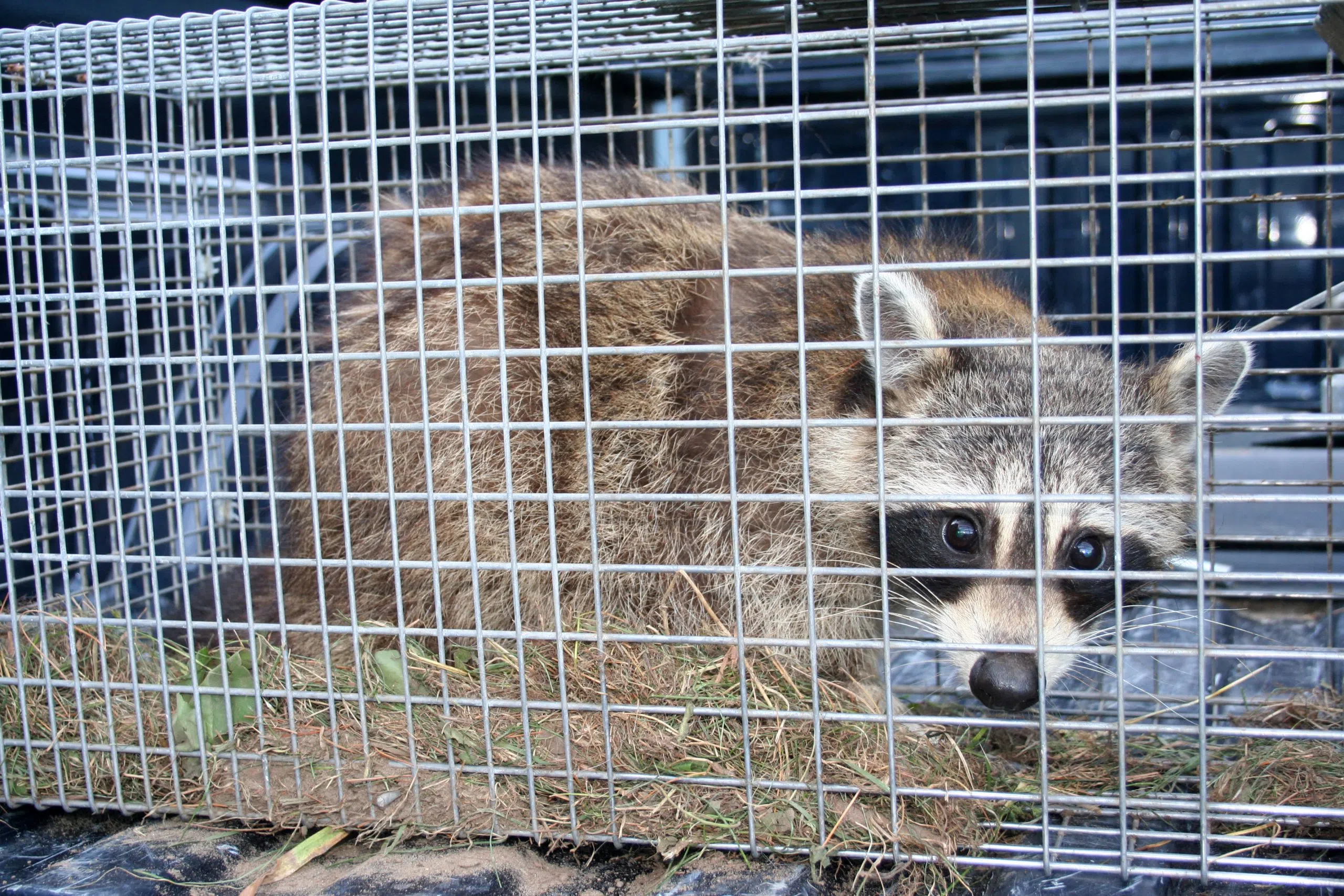
PIERRE, S.D. (KELO.com) — No scientific evidence exists to show that the controversial South Dakota Nest Predator Bounty Program is working to boost pheasant and duck populations.
Yet some state officials insist the program, in which adults and children have been paid $1.2 million to trap and kill more than 134,000 animals, is helping wildlife and preserving trapping traditions.
The three-year program that pays trappers $10 per animal tail submitted is aimed at reducing predation on pheasant and duck nests and is seen as a way to get youths involved in the outdoors. State wildlife officials acknowledge there is no data to support whether the program is helping boost the population of pheasants, which fuel a $287 million annual hunting industry. Youth participation in trapping has shown a measurable increase.
But opponents criticize the way the program was implemented and the lack of measurable results. Some South Dakotans also believe it is inhumane to trap and kill five species of animals, whose carcasses are not eaten or used for any purpose.
In the latest two articles published by South Dakota News Watch, available here, reporter Bart Pfankuch examines the bounty issue from all sides and also presents a second article that provides statistics showing how the South Dakota pheasant population and non-resident hunting interest are waning over time.